keto diet and blood sugar levels Optimal glucose levels chart
Intermittent fasting has become quite popular in recent years with people looking for ways to improve their health and lose weight. But what exactly is intermittent fasting, and should you be doing it too? Intermittent fasting is a way of eating where you alternate periods of fasting with periods of eating. There are many different ways to do it, but one common method is called the 16/8 method. This involves fasting for 16 hours per day and eating within an 8-hour window. Other methods include alternate-day fasting, where you eat normally one day and then restrict calories the next, and the 5:2 method, where you eat normally for 5 days and then restrict calories for 2 days. The idea behind intermittent fasting is that it helps your body enter a state of ketosis, where it burns fat for energy instead of glucose. This can lead to weight loss and other health benefits such as improved insulin sensitivity and lower inflammation levels. But is intermittent fasting right for everyone? The answer is no. People with certain medical conditions, pregnant or breastfeeding women, and children should not attempt intermittent fasting without consulting a healthcare professional. Additionally, if you have a history of disordered eating, intermittent fasting may not be a good idea for you. If you are considering intermittent fasting, it’s important to listen to your body and pay attention to how it reacts. Some people find it difficult to adjust to fasting periods and may experience symptoms such as headaches or irritability. Others may find that they have increased energy and mental clarity. In terms of what to eat during your eating periods, it’s important to focus on nutrient-dense, whole foods such as vegetables, fruits, lean protein, and healthy fats. Avoid processed foods, sugary drinks, and snacks, as these can negate the benefits of intermittent fasting. In conclusion, intermittent fasting can be an effective way to improve your health and achieve weight loss goals, but it may not be right for everyone. It’s important to listen to your body and consult a healthcare professional if you have any concerns about intermittent fasting.
If you are looking for Best Time to Test Blood Ketones: Level Measurements & Design - Studio you’ve visit to the right place. We have 5 Images about Best Time to Test Blood Ketones: Level Measurements & Design - Studio like Optimal Glucose Levels Chart | Glucose levels charts, Keto, Glucose levels, Nutritional ketosis optimal zone is between 0 5 to 3 5 According to Dr and also Blood sugar rising on ketogenic diet – Diet Blog. Read more:
Best Time To Test Blood Ketones: Level Measurements & Design - Studio
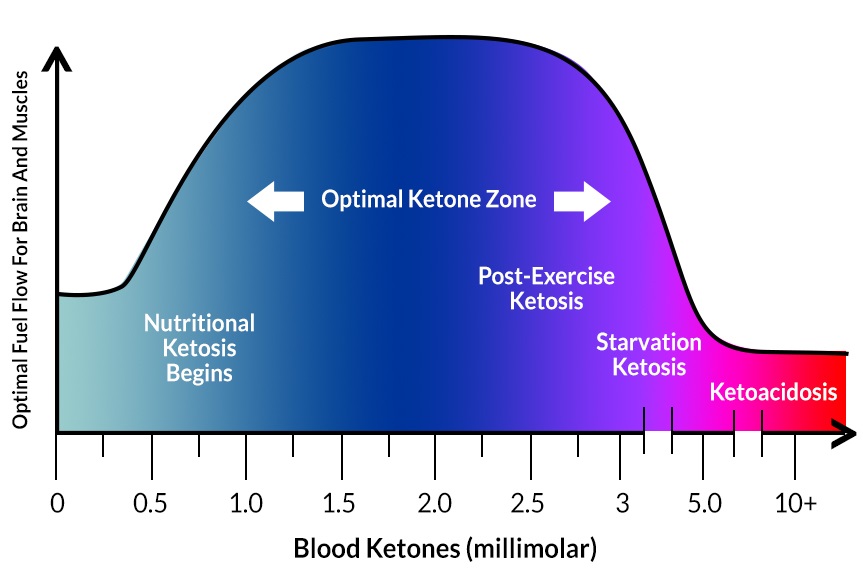 www.studiomikmik.co.ukketone blood ketones levels level test keto time diet measurements exogenous should reviews ketogenic perfect
Optimal Glucose Levels Chart | Glucose Levels Charts, Keto, Glucose Levels
 www.pinterest.comglucose ketosis mojo optimal ketone unrealistic testing
What Is Intermittent Fasting & Should I Do It? | Ketones, Glucose
 www.pinterest.comglucose ketones fasting ketosis ketone intermittent
Blood Sugar Rising On Ketogenic Diet – Diet Blog
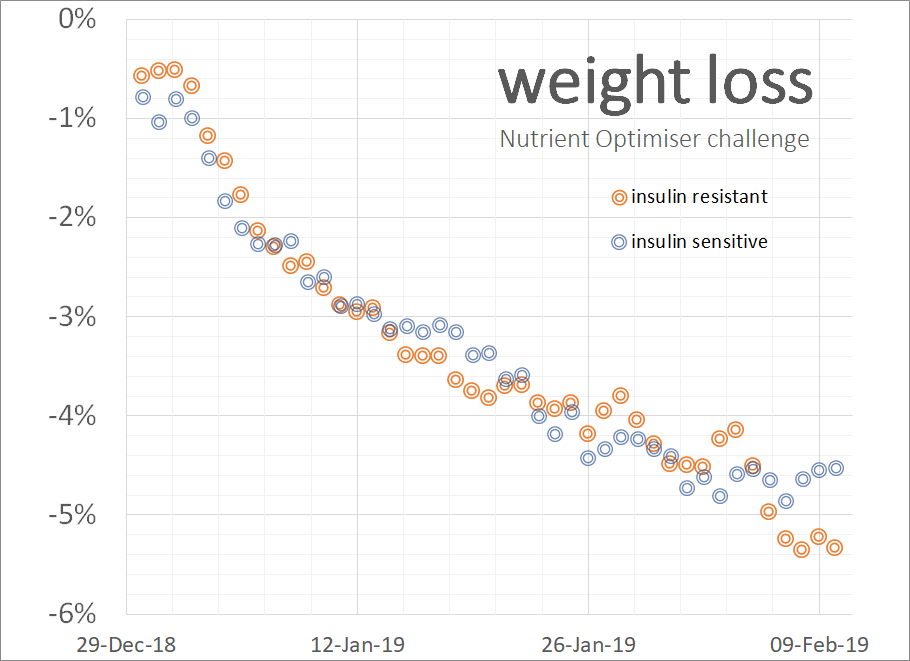 lameac.euNutritional Ketosis Optimal Zone Is Between 0 5 To 3 5 According To Dr
 www.pinterest.commojo ketone ketosis optimal ketones nutritional glucose
Blood sugar rising on ketogenic diet – diet blog. Glucose ketones fasting ketosis ketone intermittent. Ketone blood ketones levels level test keto time diet measurements exogenous should reviews ketogenic perfect